

Context
A support service group (also referred to as a support service department or a patronage service) is a structural unit within a military unit that provides service members and their family members with support and consultations on legal, social, household, and medical matters.
Since 2024, these units have operated as an official part of the staffing structure of Ukraine’s Defence Forces. Such units are to be established within military command bodies, military units, healthcare facilities, training centers, and other relevant institutions.
Before these services were institutionalized, they often emerged as separate initiatives led by service members, commanders, and volunteers, operating outside the formal military structure. Today, units have support services with varying levels of experience, staffing, formalization, and responsibilities.
Key responsibilities
- support for wounded service members, including coordinating military medical assessments and expert evaluations;
- supporting communication with service members’ families;
- supporting the families of fallen, missing, and captured service members in accessing their rights and entitlements.
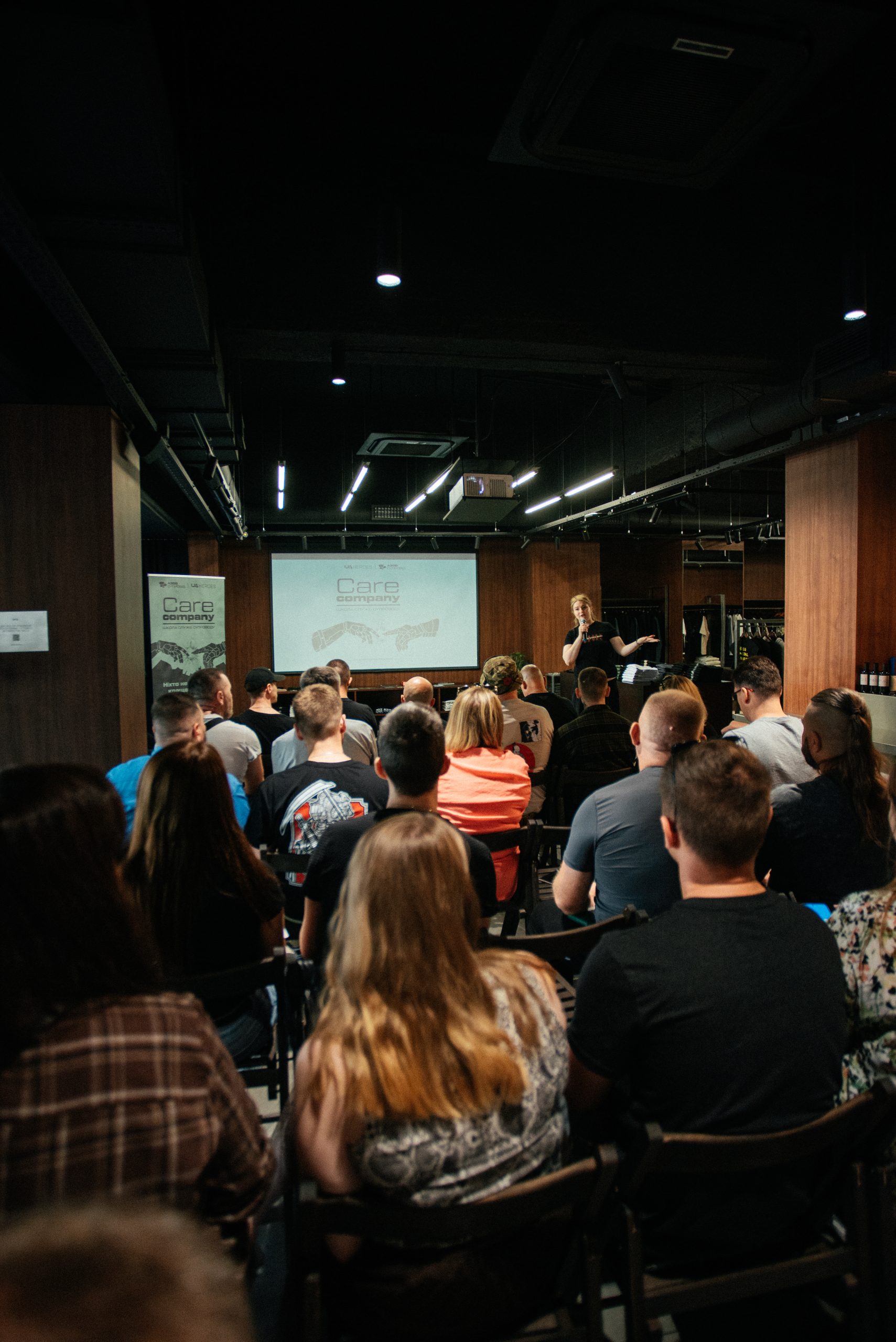
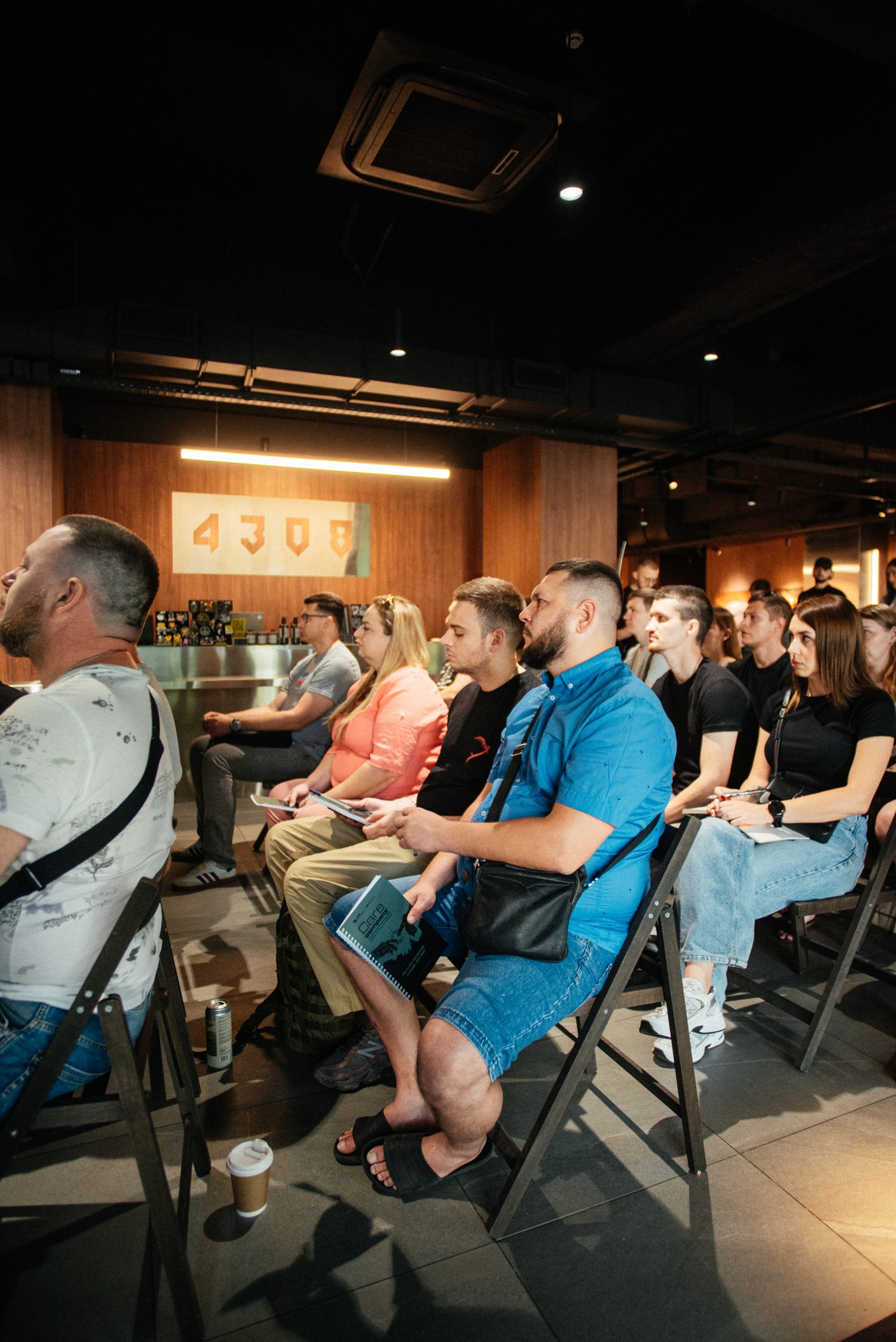
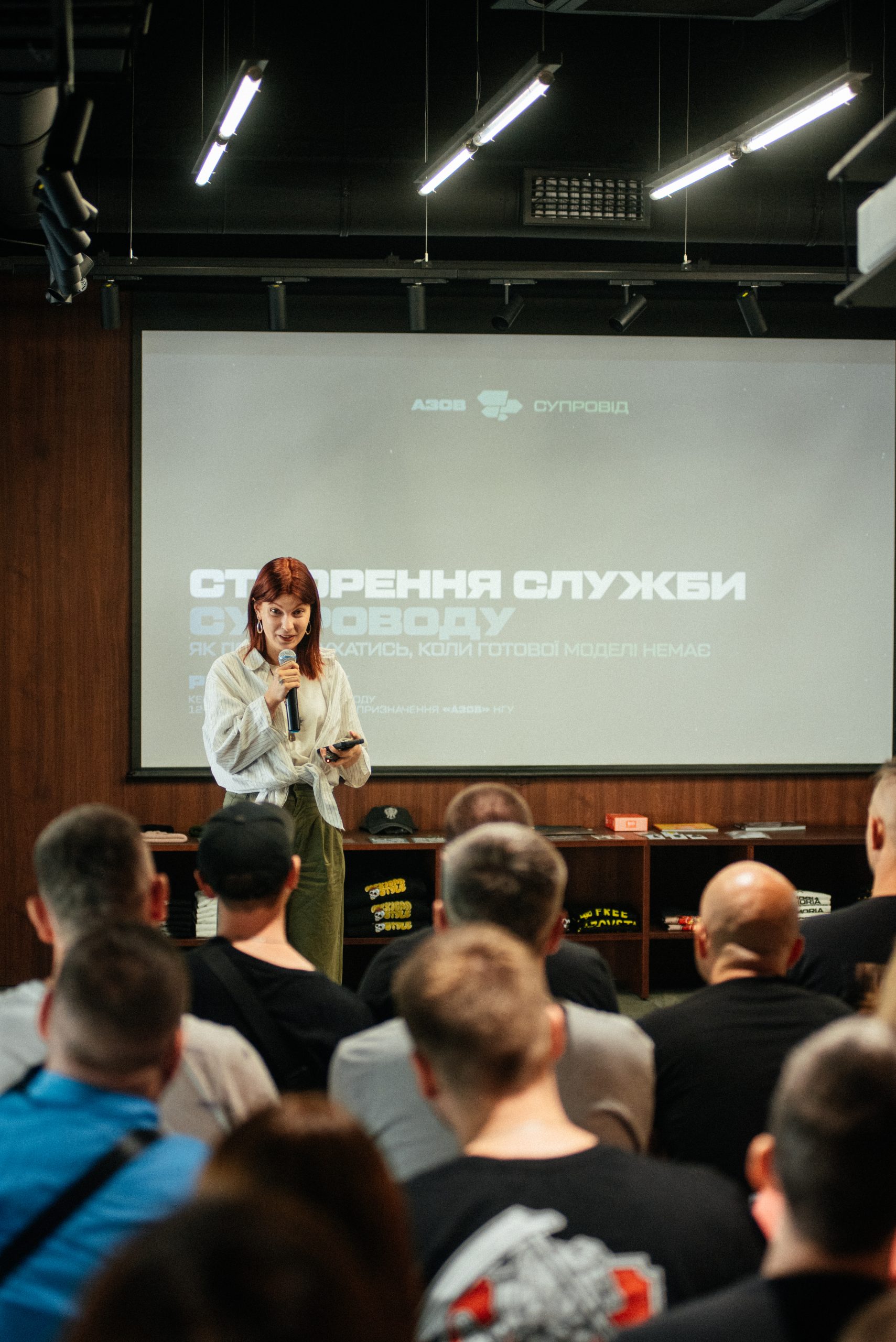
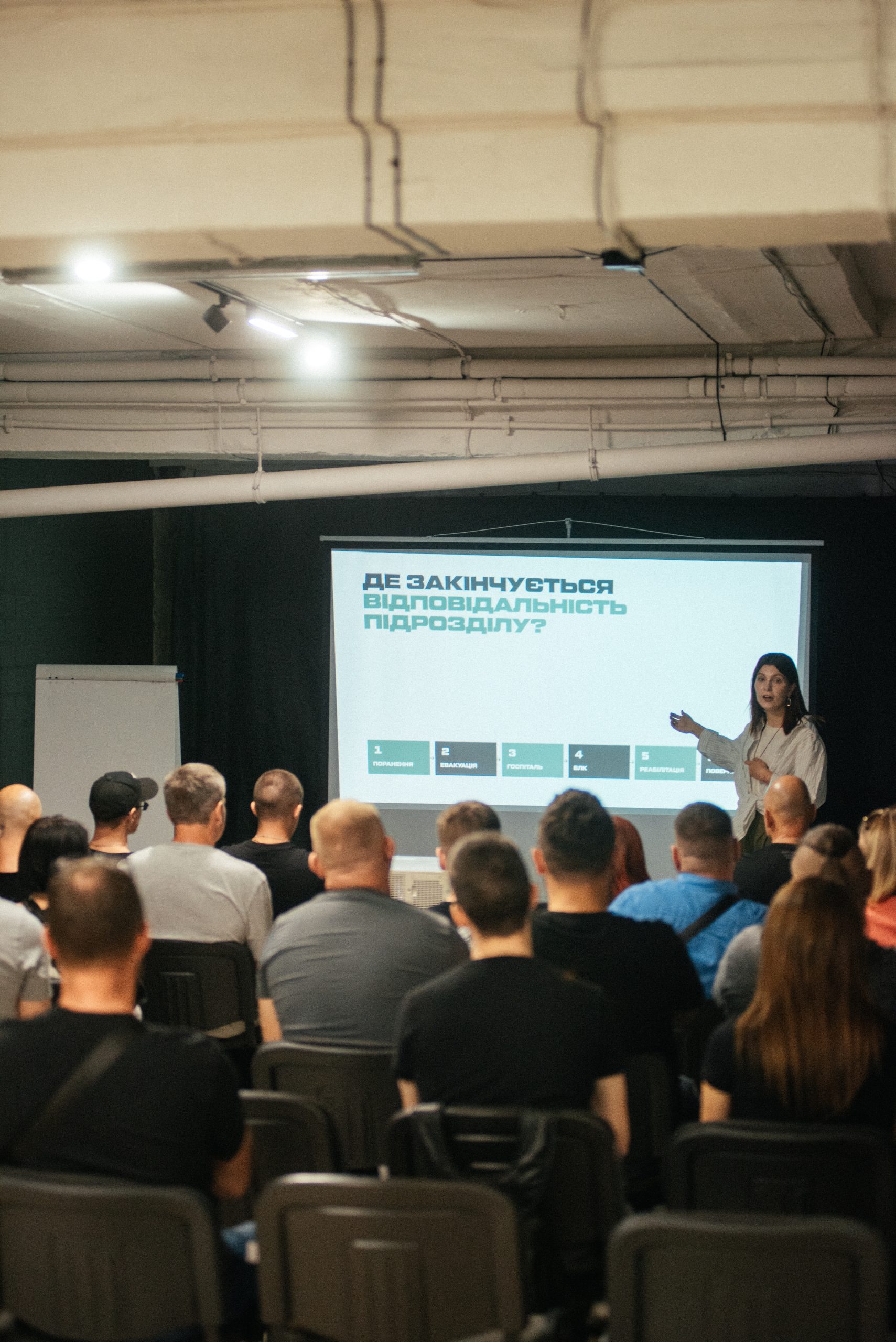
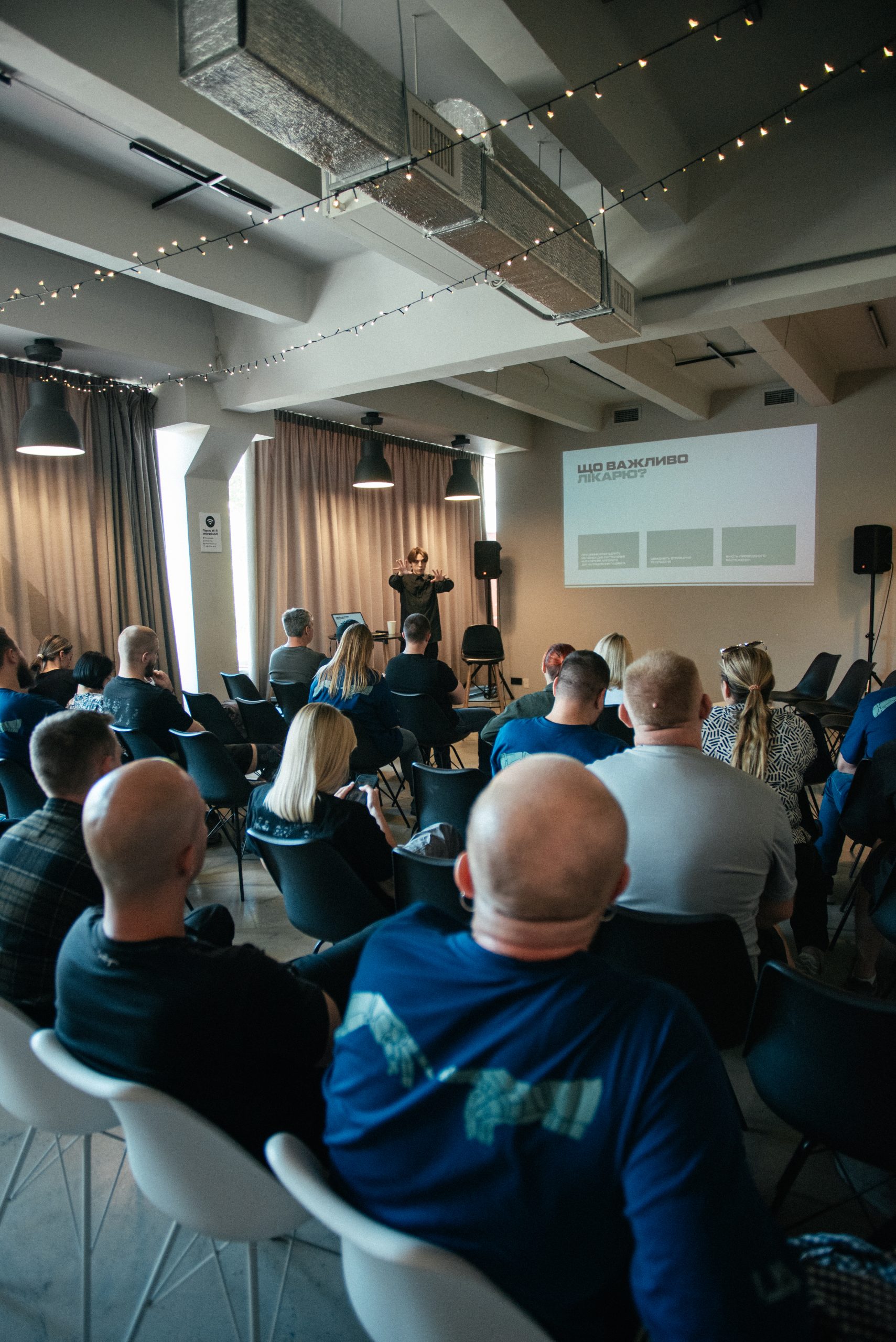
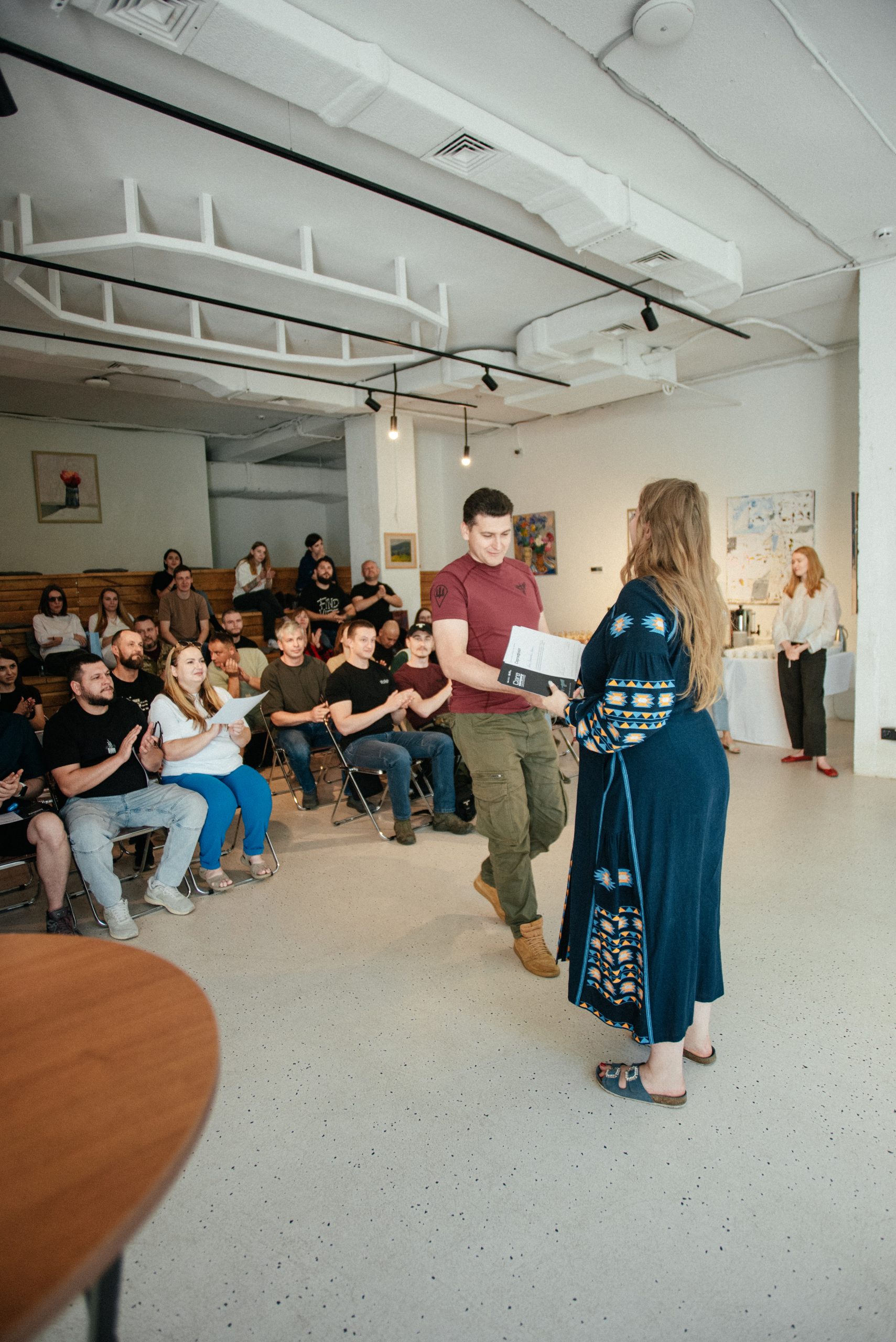
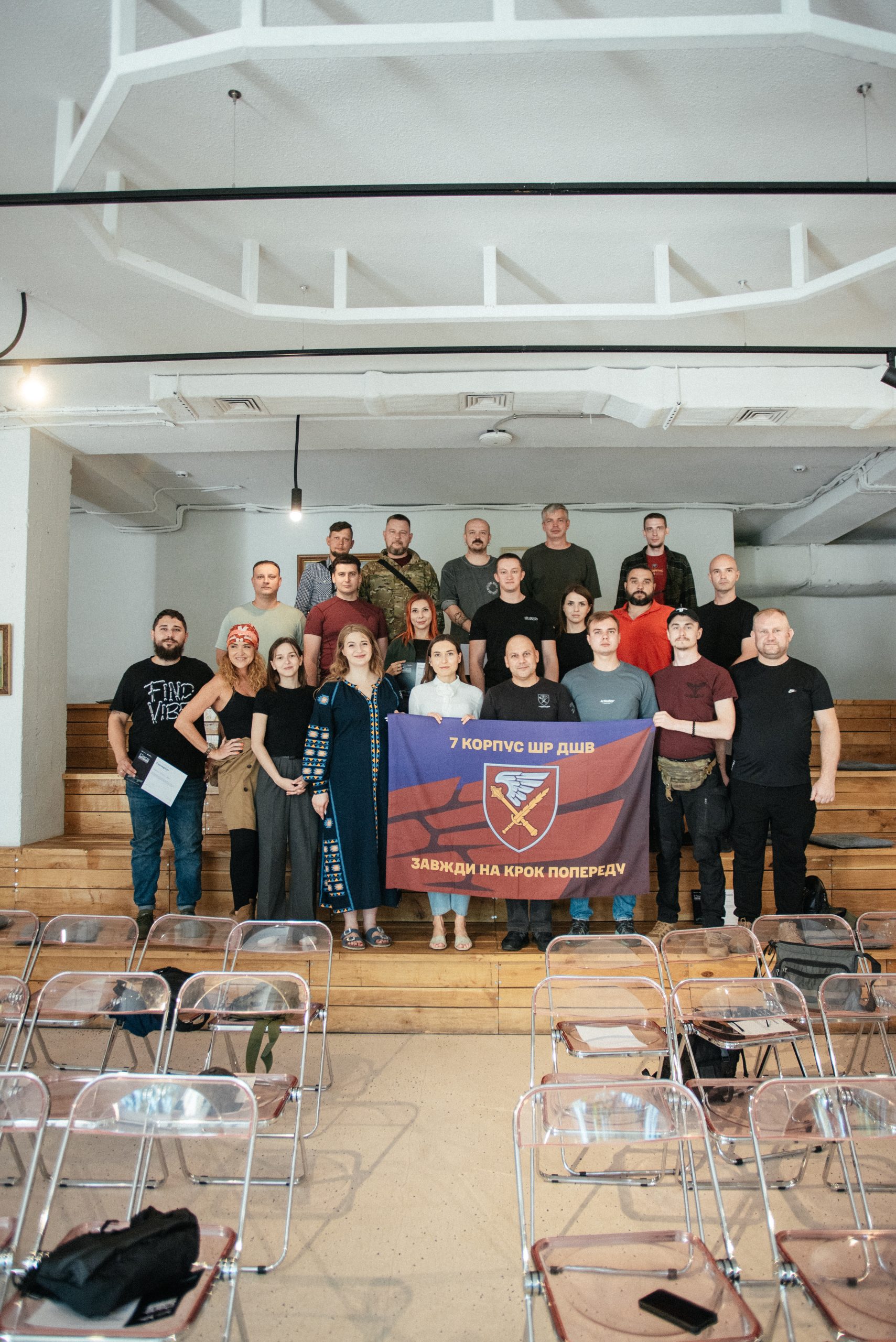
The Care Company Support Services School, a 12-day training course combining in-person team training, practical assignments, post-School mentorship, access to tools developed by practitioners, and financial support to launch or develop a support service.
Why the School?
In practice, many of the support services that have been established either do not function or operate only partially. According to research by the Pryntsyp Center, 75% of patronage service professionals had to build their own knowledge base to perform their duties during the early stages of their work. This lack of accessible, practical training is one of the key reasons the School was created.
There are also strong patronage services, including “AZOV.Suprovid” (1st Azov Corps of the National Guard of Ukraine), that emerged as grassroots support initiatives and have accumulated valuable experience that can be shared with other teams. And the School is ready to share that experience with others.
The School’s mission is to help support service professionals work more effectively by equipping them with up-to-date knowledge, practical skills, and tools through training, mentorship, and a professional community — enabling them to deliver high-quality, effective support.
Project Highlights
After completing the School, teams receive six months of mentorship. The goal is to help them put their knowledge into practice, work through complex cases, implement their roadmap, and track changes in how their support service operates.
Lectures & Practice
After each module, teams work with real-life cases rather than abstract examples.
Mentorship
Six months of support from an experienced mentor after completing the program.
Ready-to-Use Templates
Teams receive SOPs and document templates right away, without having to develop them from scratch.
Financial Support
Teams receive funds to establish and sustain their support service.




What the Program Covered
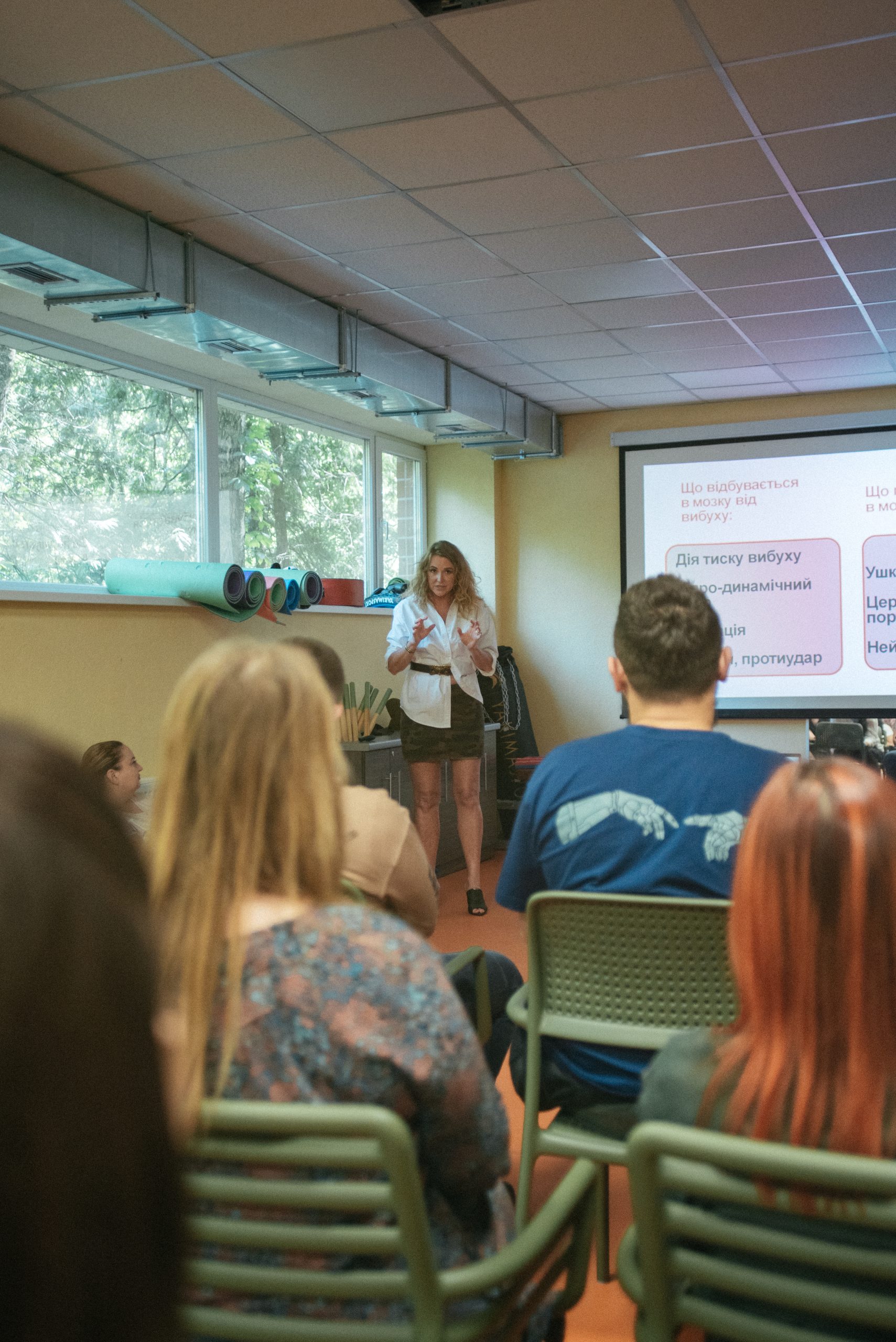
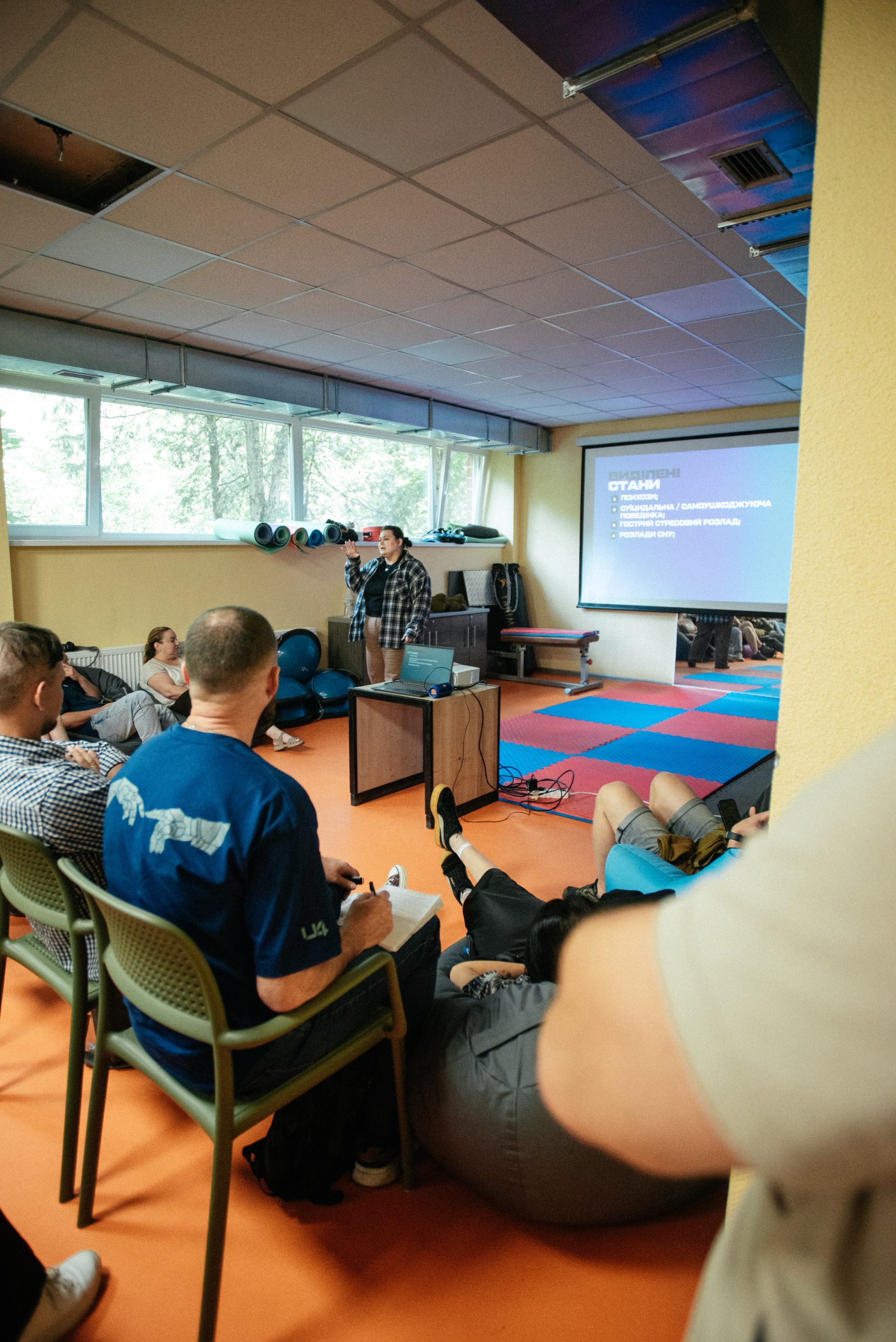
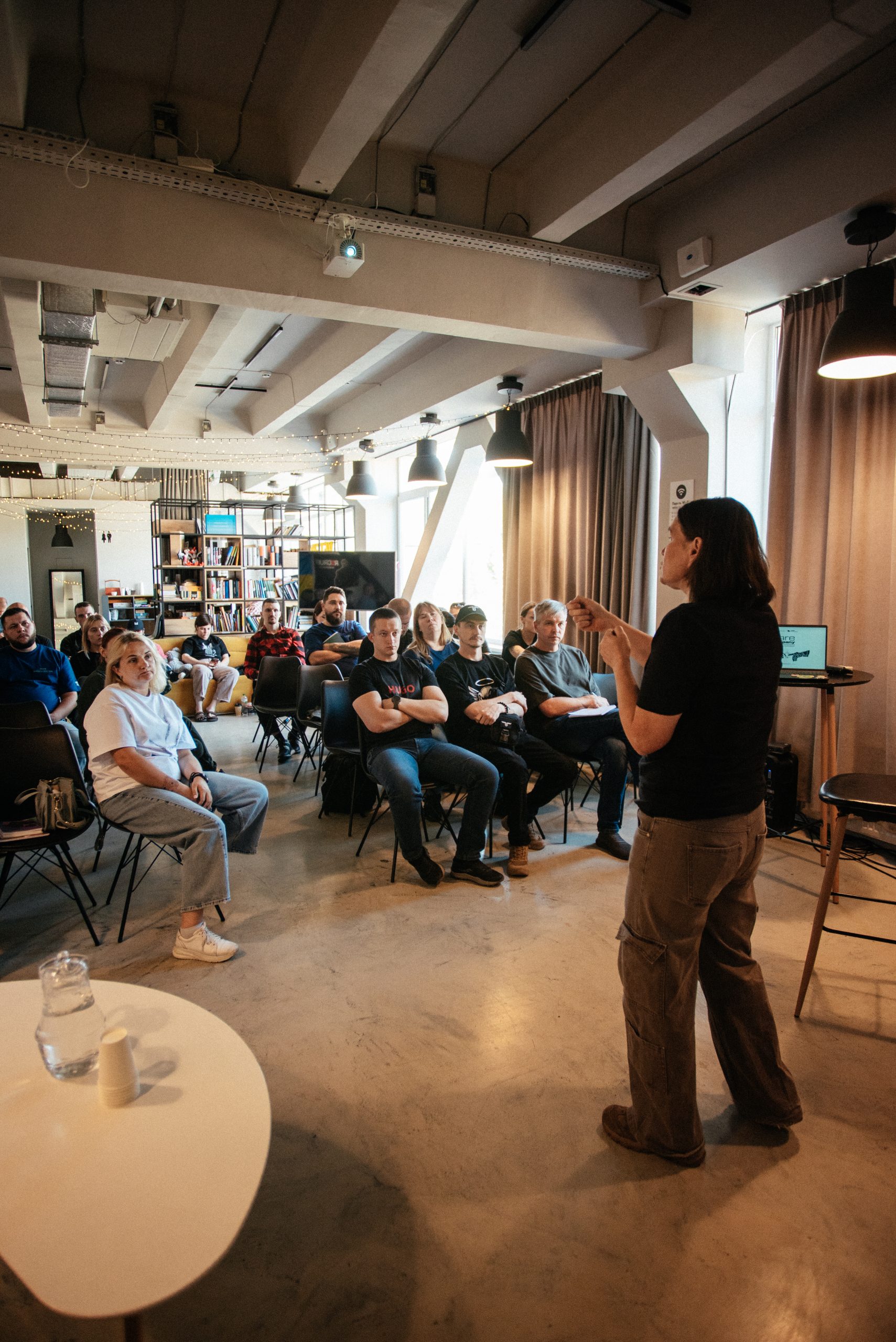
The program combines theoretical and practical learning. Each module follows the “learn — try — implement” approach: every lecture was immediately followed by hands-on work with real-life cases.
Training Modules
-
Support Service Management
Building the service, partnerships, financial sustainability, and communications.
-
Working with the Wounded
The wounded person’s journey, documentation, the role of a case manager, and practical experience.
-
Non-Clients of the Service
Non-combat-related complaints and complex cases.
-
Former Prisoners of War
Legal framework, the Istanbul Protocol, communication, and psychology.
-
Families of Missing and Fallen Service Members
The family’s journey, search efforts, communication, and practical experience.
-
Psychology & Psychiatry
mhGAP, mild TBI, the structure of psychological support, and crisis support.
-
Socialization & Readaptation
Returning to civilian life, sports, community, education, and careers.
-
Team Dynamics
Self-regulation, processing loss, conflict, and peer supervision.
-
Preparing to Launch or Develop a Support Service
Funding, roadmap development, and presentation.
Application Requirements
- The unit is part of Ukraine’s Defence Forces.
- At least two team members are ready to complete the full course.
- The command supports the establishment of the support service.
Next Cohort
The second cohort starts in November 2026. We will announce when applications open.
Have questions? Email us at office@u4heroes.com.