HEALTH DURING SERVICE: WHY IT IS A LONG-TERM PRIORITY FOR U4HEROES

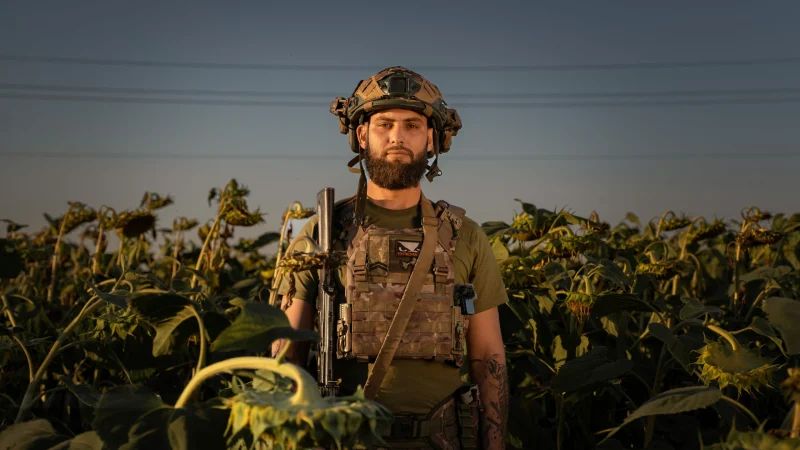
Ukraine is experiencing the largest mobilization of its armed forces in its history and is fighting one of the largest wars in the world. Hundreds of thousands of people are serving under conditions of chronic stress, intense physical strain, combat-related injuries, and limited access to healthcare.
Yet we still know very little, at a systemic level, about how military service affects the health of those who serve.
The Problem Beyond the Statistics
The military medical assessment system, which should monitor service members’ health, is not functioning effectively. Clinical protocols are largely borrowed from civilian medicine or adopted from international standards without being adapted to the realities of war. Decisions about the health of military personnel are often based on intuition rather than evidence.
Meanwhile, the experience of doctors, psychologists, and medics working in combat zones every day is neither systematically collected nor analyzed. It simply disappears along with the people who accumulated it.
Most attention, research, and funding focus on veterans’ health after they leave the military. What happens to people while they are still serving remains a blind spot. The state’s approach is often almost binary: a service member is either “fit for service” — in which case chronic health issues may be overlooked — or “unfit,” at which point the system loses that person along with their unique experience and expertise.
Our Focus: The Health of Those Still Serving
U4Heroes has chosen to focus on this particular gap: the health of service members during active service, not only after they leave the military. This is a deliberate priority because this is precisely where both data and support remain scarce.
We plan to work at the intersection of three areas:
- researching and sharing evidence and practices that work;
- advocating for their adoption at the government and sector levels;
- funding specific services that people need here and now.
Among the issues we are most concerned about are mental health in combat conditions; chronic pain and musculoskeletal injuries that accumulate over years of service; and one of the less visible injuries of war — mild traumatic brain injury (mTBI) caused by blast exposure. It often goes undiagnosed, while its consequences, including tinnitus and hearing and vision problems, can be long-lasting.
Our Approach
We do not seek out areas already supported by dozens of donors. We focus on blind spots — complex and often difficult issues that affect the health and survival of thousands of people. We believe that a single treatment protocol put into practice or a single trained professional can ultimately help thousands, not just one person. That is why we work not only with individual cases, but with the system itself.
Our work is grounded in a few simple principles: no claims without data, a willingness to publish uncomfortable findings, and respect for every service member as a person rather than a data point.
How we care for the health of Ukraine’s defenders today will shape the lives of an entire generation after the war.